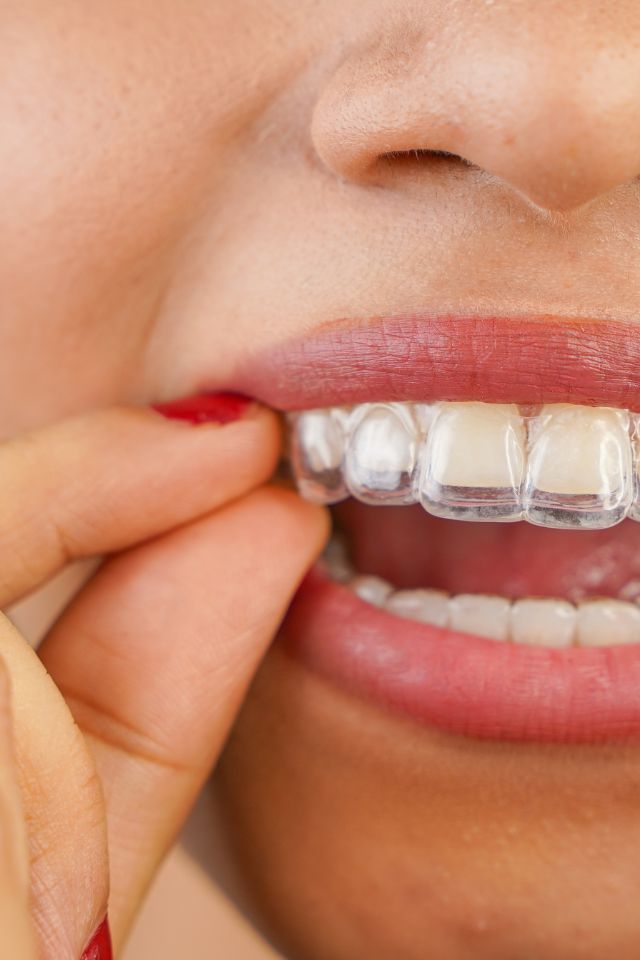
Sores caused by braces are a fairly common problem for people who wear fixed braces. It is worth knowing their causes, symptoms and treatments so you can deal with them effectively.
Sores from braces are most often caused by parts of the braces rubbing against the lining of the mouth, which leads to irritation, abrasions and ulcers. The insides of the cheeks, the tongue and the gums are particularly vulnerable. Symptoms include pain, redness, swelling and difficulty eating and speaking.
When treating sores from braces, the most important thing is to relieve pain and irritation. You can do this with antibacterial mouthwashes, pain-relieving gels and aloe-based gels. It is also important to keep up good oral hygiene to avoid infection and help the sores heal faster.
If sores are slow to heal, see your orthodontist, who may use special protective dressings or change how the braces are fixed to reduce rubbing and irritation. In some cases the braces may need adjusting or temporarily removing.
Remember that sores from braces are often unavoidable, especially at the start of treatment. That is why it is important to keep an eye on your mouth and react to any problems with the right treatment and prevention.
Damage to the lining of the mouth can take different forms, and two of them are aphthous ulcers and sores. Although both are painful and unpleasant, there are some differences worth knowing so you can recognise and treat them properly.
Aphthous ulcers are small, round or oval ulcers with a white or yellow centre and a red border. They usually appear on the insides of the cheeks, the tongue, the gums or the palate. Aphthous ulcers are not contagious and usually heal on their own within 1–2 weeks. Their causes are not fully understood, but they may be linked to genetics, stress, mechanical injury or vitamin and mineral deficiencies.
Sores, on the other hand, are larger, deeper and more irregular than aphthous ulcers. They can appear alone or in groups and are often the result of damage to the lining of the mouth, for example from parts of the braces rubbing. Sores can become infected and usually need treatment to heal faster and prevent infection.
To tell whether you are dealing with an aphthous ulcer or a sore, look at a few features typical of each:
If you notice damage to the lining of your mouth, whether aphthous ulcers or sores, see a doctor or your orthodontist for the right treatment and advice on easing symptoms and speeding up healing.
Rubbing from braces is one of the main causes of mouth irritation in people with orthodontic appliances. Parts of the braces, such as brackets and wires, can rub against the lining of the mouth, causing damage, pain and discomfort. As a result, braces cause irritation and can lead to sores, such as ulcers.
Other causes of mouth irritation include:
If you notice irritation or sores in your mouth, it is important to identify the cause quickly and take the right steps, such as seeing a doctor, orthodontist or dentist. Early diagnosis and treatment can speed up healing and prevent more serious complications, such as infection or long-term tissue damage.
Mouth sores can be treated at home with simple, natural remedies. Here are some proven methods that can ease irritation and help sores heal faster:
Remember that home remedies for mouth sores can help, but they do not replace a consultation with a doctor, orthodontist or dentist. For more serious damage, infections or long-lasting irritation, see a specialist who will assess your mouth and recommend the right treatment.
Orthodontic wax is an extremely useful product that can relieve irritation caused by braces. It is a soft, easy-to-shape material that you put on the parts of the braces that cause discomfort, such as wires or brackets. This reduces rubbing between the braces and the lining of the mouth, which eases irritation and helps any sores heal faster.
Using wax is quick and easy. Here are the steps to apply it correctly:
Remember that orthodontic wax is only a temporary solution to ease irritation. If problems with your braces continue, see your orthodontist, who can adjust the braces or suggest other treatment. Wax also does not replace good oral hygiene, which is key to keeping your teeth and gums healthy during orthodontic treatment.
Braces – how to avoid sores and irritation in the mouth? The key is to follow a few rules that help minimise the risk of problems. Here are the most important ones:
By following these rules you can greatly reduce the risk of sores and irritation caused by braces. Remember, though, that every case is different, so it is worth seeing your orthodontist regularly so they can tailor the treatment to your needs.
If sores from braces are making life difficult, take a look at the products available at apkostore.com that can bring relief and help healing. Here are a few of them:
Elgydium Clinic Cicalium – a specialist gel that helps mouth sores and ulcers heal faster. Thanks to its antibacterial and anti-inflammatory properties, it can effectively ease pain and irritation.
Eludril Classic – a mouthwash that soothes irritation and provides long-lasting comfort. It contains chlorhexidine, which has antibacterial and antifungal action, helping to keep gums healthy and prevent inflammation.

Elugel – this protective, soothing gel instantly forms a protective layer on the lining of the mouth, shielding it from the sharp edges of braces. Elugel soothes irritation, helps sores heal and provides long-lasting comfort. Forget about discomfort and enjoy a pain-free smile!

Orthodontic wax – as mentioned earlier, it can relieve irritation caused by braces. The wax creates a protective barrier between the braces and the lining of the mouth, which can help prevent sores.
When choosing products from apkostore.com, remember that every case is different and not every product is right for everyone. Before using any product, it is worth asking your orthodontist which solution is best for your situation.
In this article we covered different aspects of sores from braces, such as the causes of irritation, symptoms and treatments. We also described home remedies to ease irritation and help sores heal, such as orthodontic wax and rinsing with specialist mouthwashes. We also presented products from apkostore.com that can help you deal with sores from braces.
It is important to remember about prevention and to look after your oral hygiene, especially while wearing braces. Regular visits to your orthodontist and following their advice can greatly reduce the risk of sores and irritation. If they do appear, see a doctor who can help you choose the right treatment and products to support healing.
In short, don’t ignore mouth sores and look after your health. Follow your orthodontist’s advice, use the right products and be aware of the possible causes and symptoms of rubbing from braces. This way you will avoid unpleasant problems and help your sores heal faster.
Treating mouth sores properly is key to the health and comfort of patients wearing braces. These sores can lead to more serious problems, such as infections, ulcers or even difficulty eating and speaking. That is why it is important not to ignore any symptoms and to take the right steps to treat them.
If you get sores in your mouth, see a doctor or your orthodontist, who can help you choose the right treatment. This may include pain-relieving gels, rinsing with specialist mouthwashes or using orthodontic wax. It is also worth remembering regular check-ups with your orthodontist, who can monitor your mouth and adjust your treatment if needed.
It is also important to look after your oral hygiene, especially while wearing braces. Brush your teeth at least twice a day, floss and use a mouthwash. This can greatly reduce the risk of sores and irritation.
In short, don’t ignore mouth sores and look after your health. Follow your orthodontist’s advice, use the right products and be aware of the possible causes and symptoms of irritation from braces. This way you will avoid unpleasant problems and help your sores heal faster.