

Fixed braces
If you wear fixed braces, you probably know how important good oral hygiene is. We know it can sometimes be a challenge, but we will help you understand how to effectively care for your teeth and keep your braces clean.



The first days with fixed braces
Your mouth needs time to get used to the braces. This often means rubbing and painful mouth ulcers. Right at the start of treatment, get orthodontic wax and a mouth ulcer gel. They will keep you comfortable during the first days of wearing braces.
Which toothbrush should you choose?
- A toothbrush with soft bristles is a great choice – soft bristles are gentler on the braces and gums, which reduces the risk of irritation and damage.
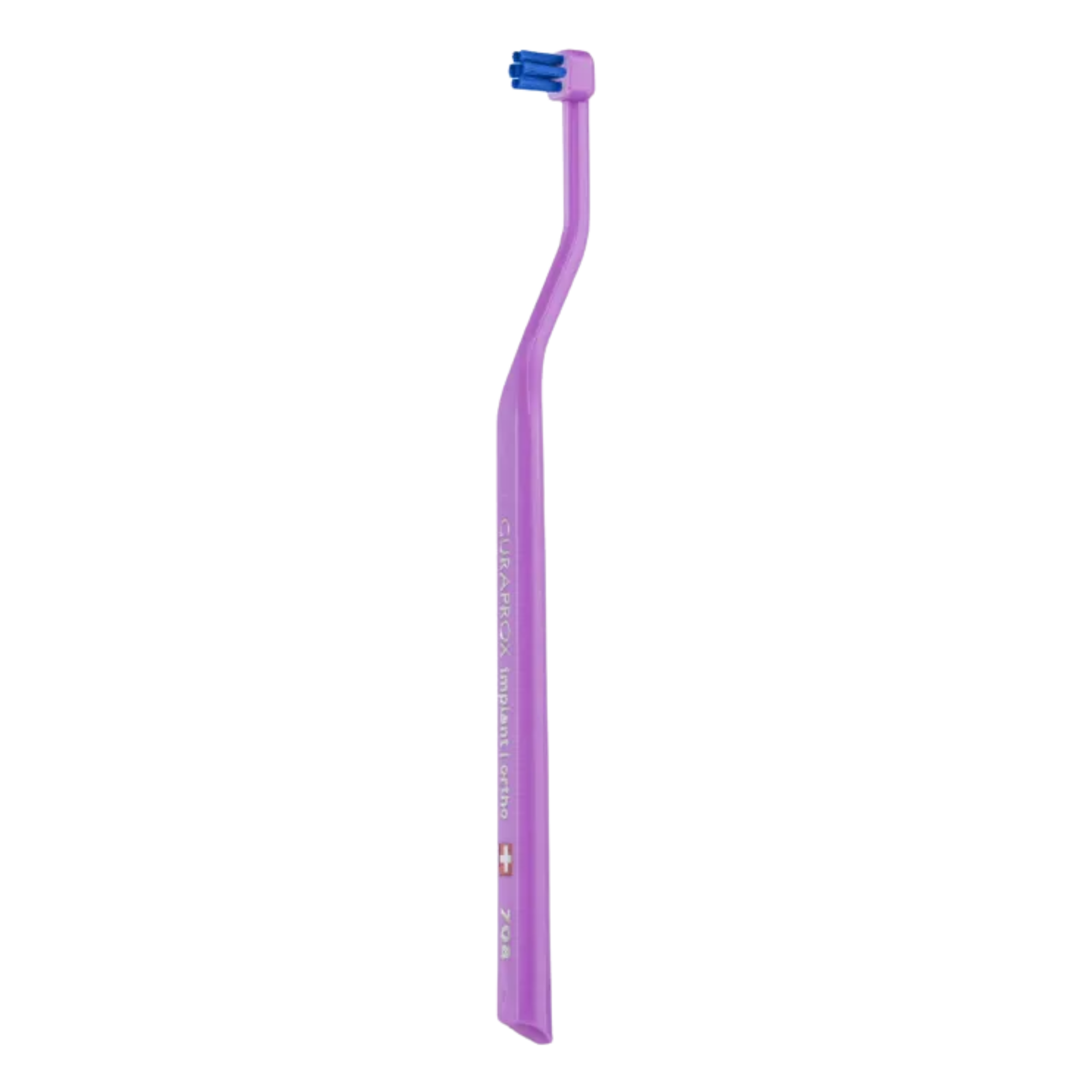
- A small brush head – a toothbrush with a small head reaches hard-to-reach areas around the braces more easily, where bacterial plaque tends to build up.
- A flat or V-shaped head – choose a toothbrush with a flat or V-shaped head; these shapes make it easier to clean the surfaces of your teeth and braces.


How to clean between your teeth and around the brackets?
Dental floss
Dental floss is an excellent tool for cleaning the spaces between your teeth. Gently slide the floss between your teeth and move it up and down a few times to remove food debris and bacterial plaque. Flossing is especially important because a regular toothbrush cannot reach these narrow spaces.
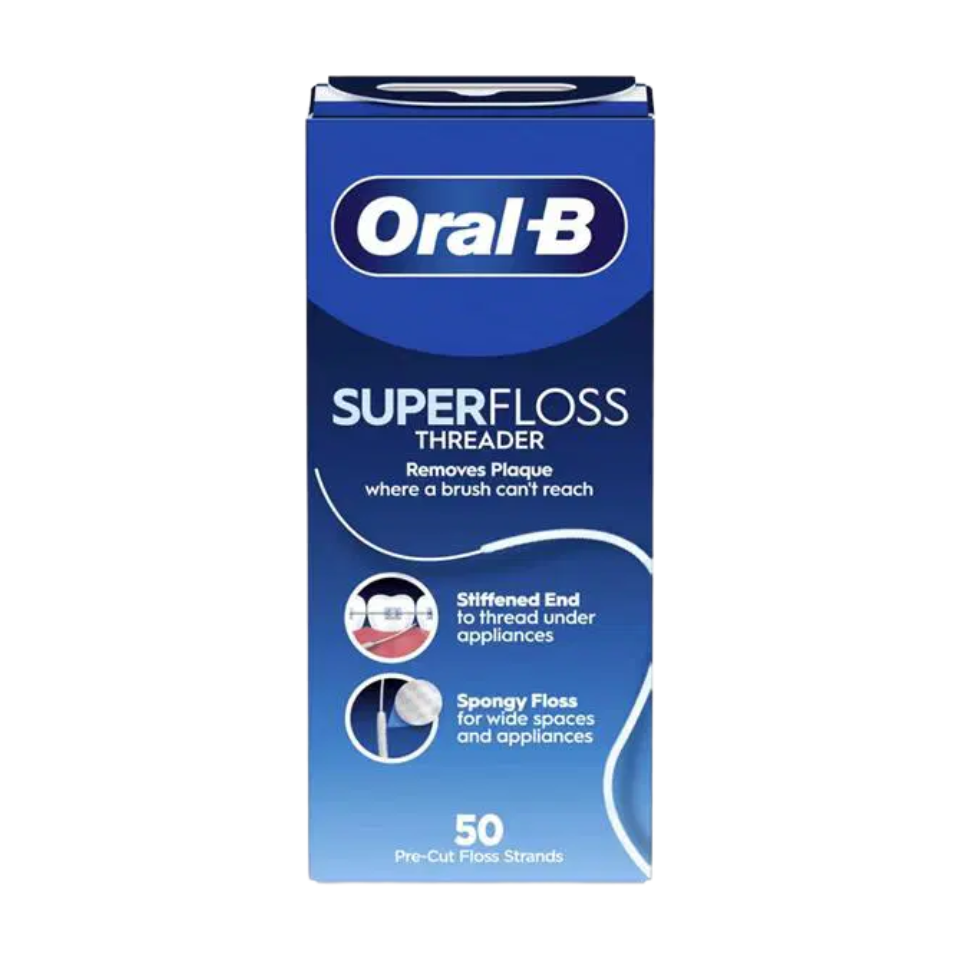
Floss with stiffened ends is a great solution. It can easily be threaded between your teeth or under the wires of your braces.
Interdental brushes
Interdental brushes are another effective way to clean between your teeth and around your braces. Choose a brush size that fits the gaps between your teeth. Gently insert the brush between your teeth and move it back and forth to clean these areas thoroughly.
Water flosser
A device that produces a pressurised stream of water is the most effective way to clean hard-to-reach areas of your braces. Aim the stream at the braces and between your teeth to remove food debris and bacterial plaque.


Fixed braces – what about food?
01.
Avoid hard and sticky foods – they can be difficult to remove
02.
Be careful with hard fruit and vegetables – cut them into smaller pieces before eating
03.
Avoid snacking – food eaten between meals can get stuck in your braces
04.
Limit sweets and fizzy drinks – they increase the risk of tooth decay
05.
Focus on soft, easy-to-chew foods that are easy to remove from your braces
Mouthwash – a lifesaver in emergencies
If you have an important meeting, a date or any situation where you cannot brush your teeth, a mouthwash can help freshen your breath and remove an unpleasant taste.
Sometimes after a meal it feels as if food is stuck in your braces and between your teeth. A mouthwash can help remove it, which prevents plaque build-up and bad smells.
Fixed braces have many hard-to-reach areas where bacterial plaque can build up and cause tooth decay. A mouthwash can help reach these areas and clean them effectively.
Wearing braces can sometimes cause irritation or sores in the mouth. A mouthwash with soothing ingredients can help ease the discomfort.


Looking after fixed braces when travelling
1. A travel toothbrush
2. Mouthwash
3. Floss with stiffened ends