

Daily oral care – how to look after your teeth
Your path to a healthy smile
At apko we believe that the foundation of a radiant smile is conscious and regular daily oral care. Our specialists – a team of experienced dentists and pharmacists – have prepared comprehensive advice to help you understand how to look after your teeth in a professional and effective way.
Brushing – the foundation of your routine
Proper brushing is the key part of oral care that protects your teeth and gums. To be effective, it should be done at least twice a day – in the morning and in the evening – and last at least 2 minutes.


Which toothbrush is best for you?
There are many different types of toothbrushes on the market, so how do you choose the right one? Here are a few tips to help you make the right choice:
01.
Manual toothbrushes
These are traditional toothbrushes, available with different bristle stiffness. Choose soft or medium to avoid damaging your enamel and gums. Manual toothbrushes are convenient and take up little space. They clean all tooth surfaces quite thoroughly and improve blood flow in the gums, working like a gentle massage.
02.
Electric toothbrushes
Electric toothbrushes offer more effective and thorough cleaning thanks to the automatic movement of the brush head. They are ideal for people with limited hand mobility and for anyone who wants even better results.
03.
Sonic toothbrushes
Sonic toothbrushes work with high-frequency vibrations, which help remove plaque and deposits more effectively. They are gentle on the gums and clean effectively. Another advantage is that they are quieter than rotating electric toothbrushes.
Brushing methods – find the right technique for you
• Hold the toothbrush at a 45-degree angle to the gums
• Use a sweeping motion from the gum to the tip of the tooth (remember both the outer and inner surfaces)
• Clean the inner surfaces of the lower front teeth by holding the brush vertically and using the tip of the brush head
• Clean the chewing surfaces of the upper and lower teeth with back-and-forth movements
• Do not press the toothbrush too hard against your teeth
• Move the toothbrush slowly and gently, guiding it from one tooth to the next
• Hold it on each tooth surface and along the gum line for a few seconds
• Do not add extra scrubbing movements (back and forth)
• The technique is based on 3 steps: place – clean – move
• Hold the toothbrush at a 45-degree angle towards the gum line
• You can also make gentle circular movements
How often and how long to brush
You should brush your teeth at least twice a day – in the morning and in the evening, after meals. Avoid pressing too hard on your teeth and gums so you do not damage them. We recommend brushing for at least 2 minutes each time.


Toothpaste – how to choose the right one for you
In our range you will find a variety of toothpastes, each designed for specific needs. These are the most popular types:
- Everyday fluoride toothpastes
- Toothpastes that help prevent plaque
- Toothpastes for sensitive teeth
- Whitening toothpastes
- Toothpastes for bleeding gums
- Kids’ toothpastes
Match your toothpaste to your needs
The right toothpaste depends on your individual needs and preferences. Here are a few tips to help you decide:

Check the ingredients
Choose toothpastes with ingredients proven to be safe and effective, such as fluoride, silica or hydroxyapatite.
What results do you expect?
If your priority is protection against tooth decay, a fluoride toothpaste is recommended. If you have sensitive teeth, go for a toothpaste for sensitive teeth. And if you dream of a white smile, choose a whitening toothpaste.
Ask a specialist
If you are unsure or have a specific problem, talk to our specialists – they will help you choose the toothpaste that best suits your needs.


Rinsing – extra support for your smile
Rinsing plays an important role in keeping your mouth healthy – it helps fight plaque and bacteria and prevents tartar build-up. Key benefits of regular rinsing:
- Fewer bacteria
- Soothing inflammation
- Preventing tartar build-up
There are many types of mouthwash on the market, so it is worth choosing the one that best fits your needs. Some can also help brighten your teeth, strengthen enamel or support cleaning of teeth and braces.
• Everyday mouthwashes – suitable for most people. They effectively reduce bacteria and support daily protection of your mouth.
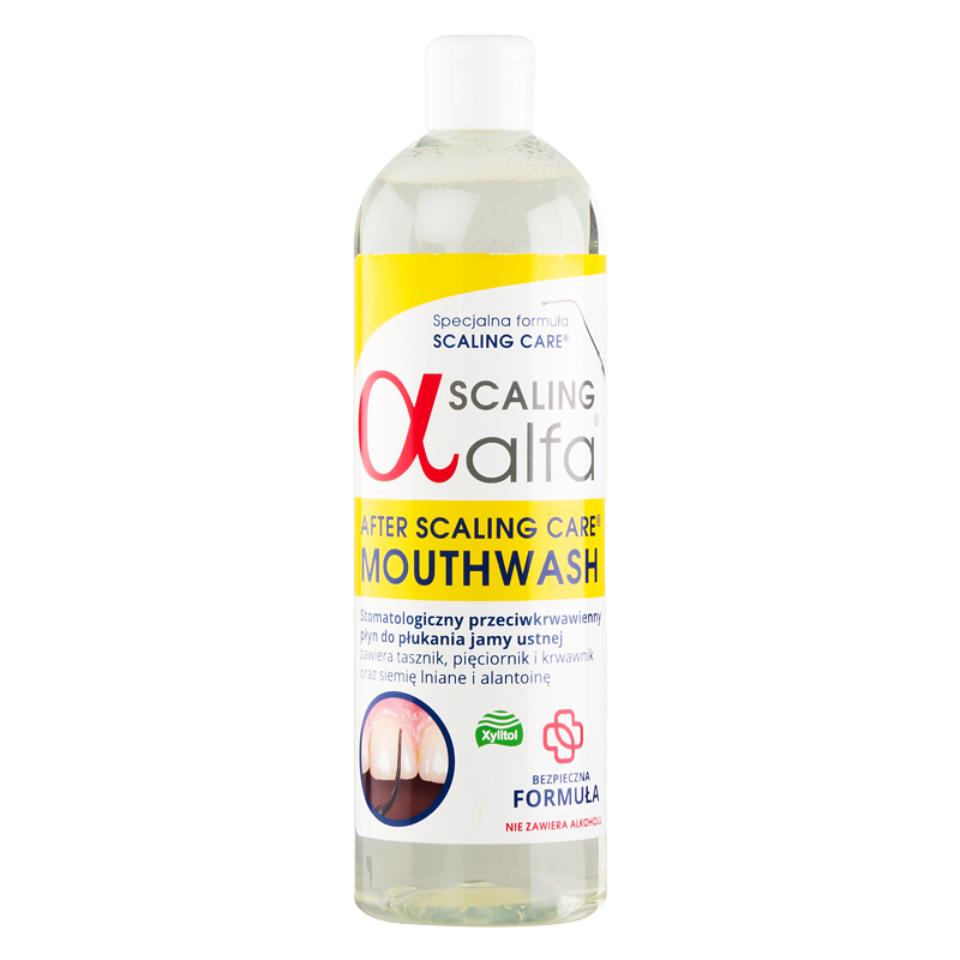
• Anti-inflammatory mouthwashes – for people struggling with gum inflammation who need extra soothing and protection. Recommended by dentists after surgical procedures.
• Breath-freshening mouthwashes – help fight bad breath and leave a long-lasting feeling of freshness.
• Orthodontic mouthwashes – great for people wearing fixed braces or clear aligners. They help keep teeth and braces clean after snacks during the day.
• Whitening mouthwashes – help reduce surface discolouration and keep your teeth looking brighter.
Adding mouthwash to your daily routine gives extra support for a healthy, radiant smile. Remember that regular rinsing, combined with the right toothbrush and toothpaste, gives your mouth complete care.



Why is cleaning between your teeth important?
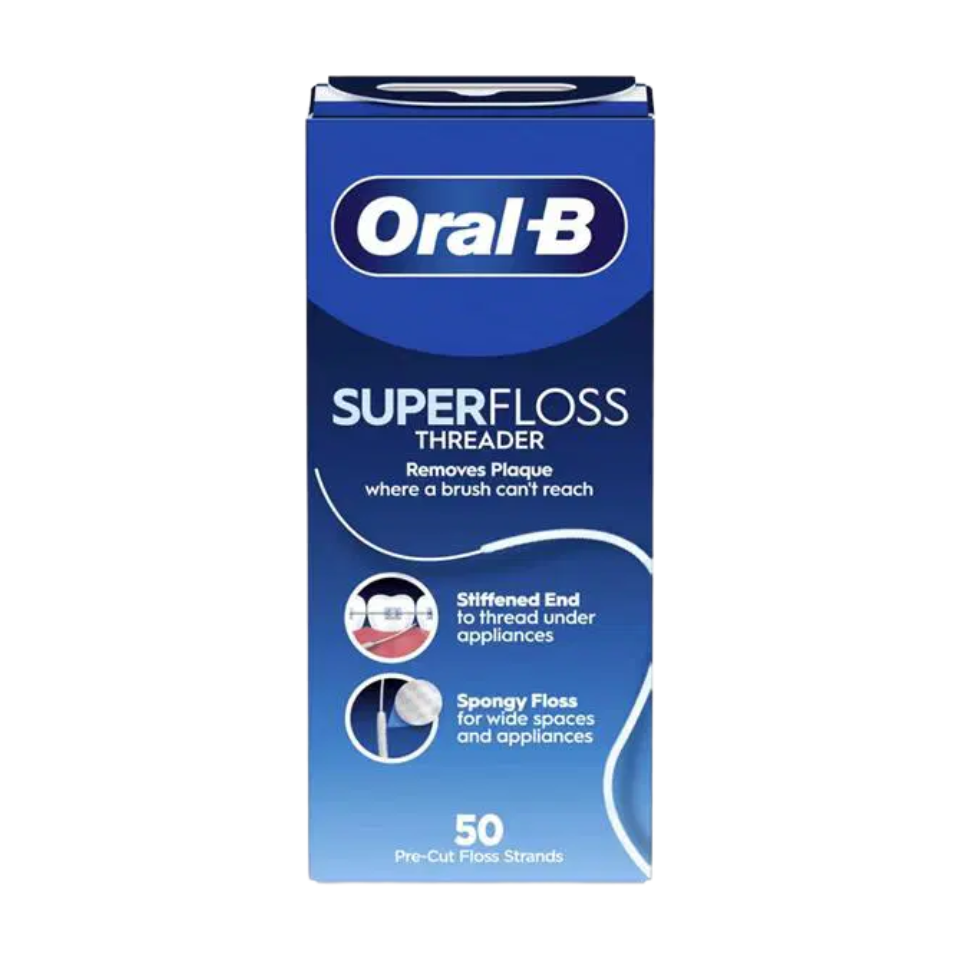
With dental floss, interdental brushes or a water flosser, you can reach surfaces that a regular toothbrush cannot clean. Food debris and bacteria hide there, which encourages tooth decay and gum inflammation.
• Wind a 50 cm piece of floss around the middle fingers of both hands
• Use your thumbs to guide the floss between your teeth and just below the gum line
• Curve the floss into a “C” shape – this way you clean each tooth thoroughly
• Be gentle and avoid a sawing motion so you do not damage your gums
Interdental brushes are another effective tool for cleaning hard-to-reach places. Choosing the right size lets you remove food debris and deposits from between your teeth effectively. They are also an excellent solution for people with braces, as they reach every corner around the brackets and wires.
A water flosser is a device that uses a pressurised stream of water to clean between the teeth and along the gum line. It is a great addition to daily oral care, alongside brushing and flossing.
A water flosser helps remove food debris, plaque and bacteria from places a toothbrush cannot reach. It can also reduce the risk of gum disease and tooth decay.
Using a water flosser is simple and safe. Just adjust the water pressure to your individual needs.
Water flossers come in different versions, so you can choose a device that suits your needs and preferences.
Regular use of a water flosser can help improve your oral health and keep your smile beautiful.




Tongue cleaning
Cleaning your tongue is an important part of daily oral care. The tongue can collect lots of bacteria, food debris and dead cells, which can cause bad breath and other oral problems.
Cleaning your tongue with a toothbrush may not be fully effective and can even transfer bacteria to the brush head. That is why it is worth using a tongue scraper designed specifically for this job.
Tongue scrapers are an effective tool for removing bacterial coating, food debris and dead cells from the surface of the tongue. Their simple design glides easily over the tongue, and their shape and size follow its natural shape.
Using a tongue scraper is quick and easy. Simply draw the scraper from the back of the tongue to the tip a few times, removing bacteria and coating. When you are done, rinse the scraper under running water and leave it to dry to prevent bacteria from spreading.
Cleaning your tongue with a scraper is an effective way to keep your breath fresh and prevent problems caused by too many bacteria in the mouth. Add this simple step to your daily oral care routine for healthier, fresher breath.
FAQ – frequently asked questions
1. How often should I replace my toothbrush? It is usually recommended to replace your toothbrush or brush head every 3 months, or sooner if the bristles are worn or after an illness.
2. Is a sonic toothbrush safe for sensitive gums? Yes, sonic toothbrushes are gentle on the gums while removing plaque effectively thanks to high-frequency vibrations.
3. Which toothpaste should I choose to protect my teeth against decay? For protection against tooth decay, choose a toothpaste with fluoride. It is also worth looking for hydroxyapatite in the ingredients.
4. Can mouthwash replace brushing? No, rinsing is extra support for a healthy smile and should be combined with the right toothbrush and toothpaste for complete care.
5. Why use a tongue scraper if I have a toothbrush? A dedicated tongue scraper is more effective and does not transfer bacteria from the tongue to your toothbrush head.
apko – your partners in smile care
Our specialists, a team of experienced dentists and pharmacists, are here to help you look after your oral health and find the best products for your needs.
Looking after your oral health can sometimes be a challenge, but you don’t have to do it alone. Our team of specialists is ready to help you at any time.