After treatment
Proper oral hygiene after dental treatment is extremely important. It accelerates the healing process, minimizes the risk of complications and allows for a quick return to a healthy and beautiful smile. It also guarantees the long-term effects of treatment for years to come.
Check the best hygiene tips after:
- Endodontic / Conservative treatment - treatment of cavities, fillings
- Surgical treatment - tooth removal
- Prosthetic treatment - tooth restoration, veneers, dentures
- Implant treatment - implant insertion
- Periodontal treatment - gum disease treatment
- Hygiene procedure - sandblasting and plaque removal
Endodontic and conservative treatment
After endodontic or conservative treatment, proper oral hygiene is particularly important to prevent the recurrence of infection and maintain tooth health. Therefore, it is also worth verifying our daily routine:
Brushing your teeth at least in the morning and evening is a basic element of oral hygiene. Choose a soft toothbrush with soft bristles to avoid irritating sensitive tissues after treatment.
Choose a toothpaste with the right amount of fluoride to help rebuild enamel and protect teeth from tooth decay.
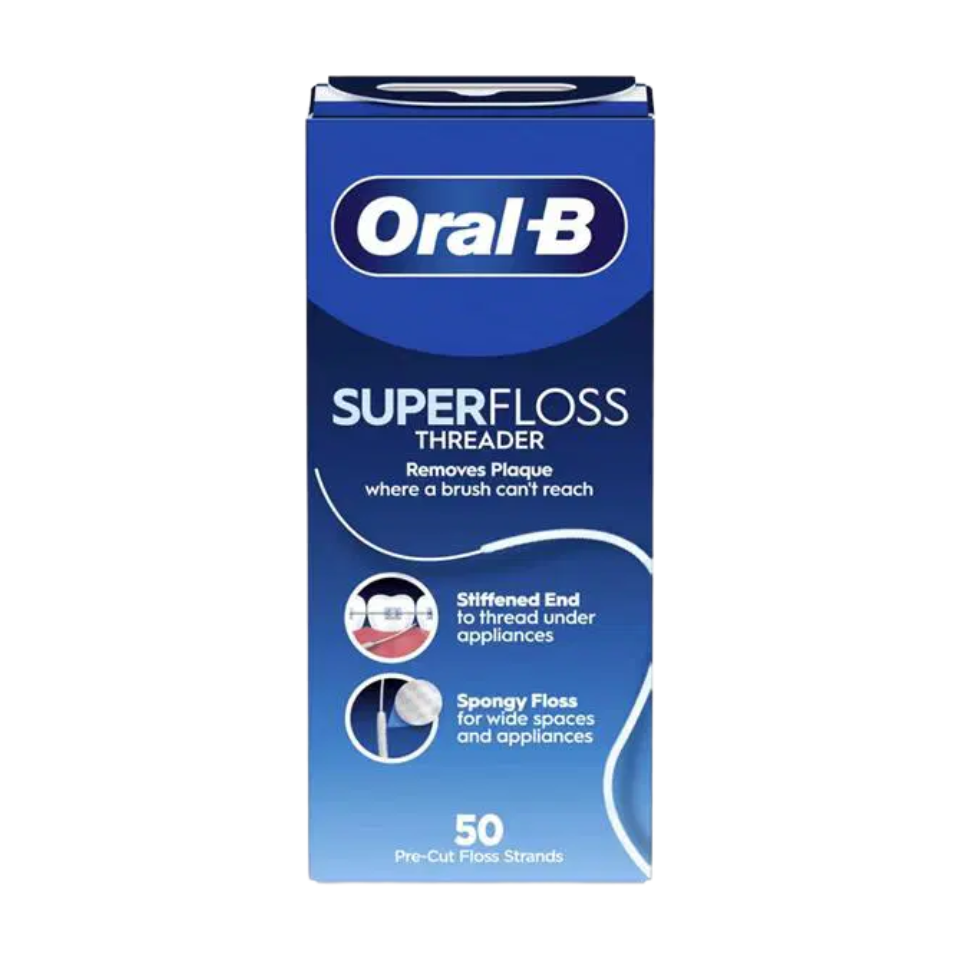
Regular use of dental floss will help remove food particles and bacteria from interdental spaces, which are difficult to reach with a toothbrush.
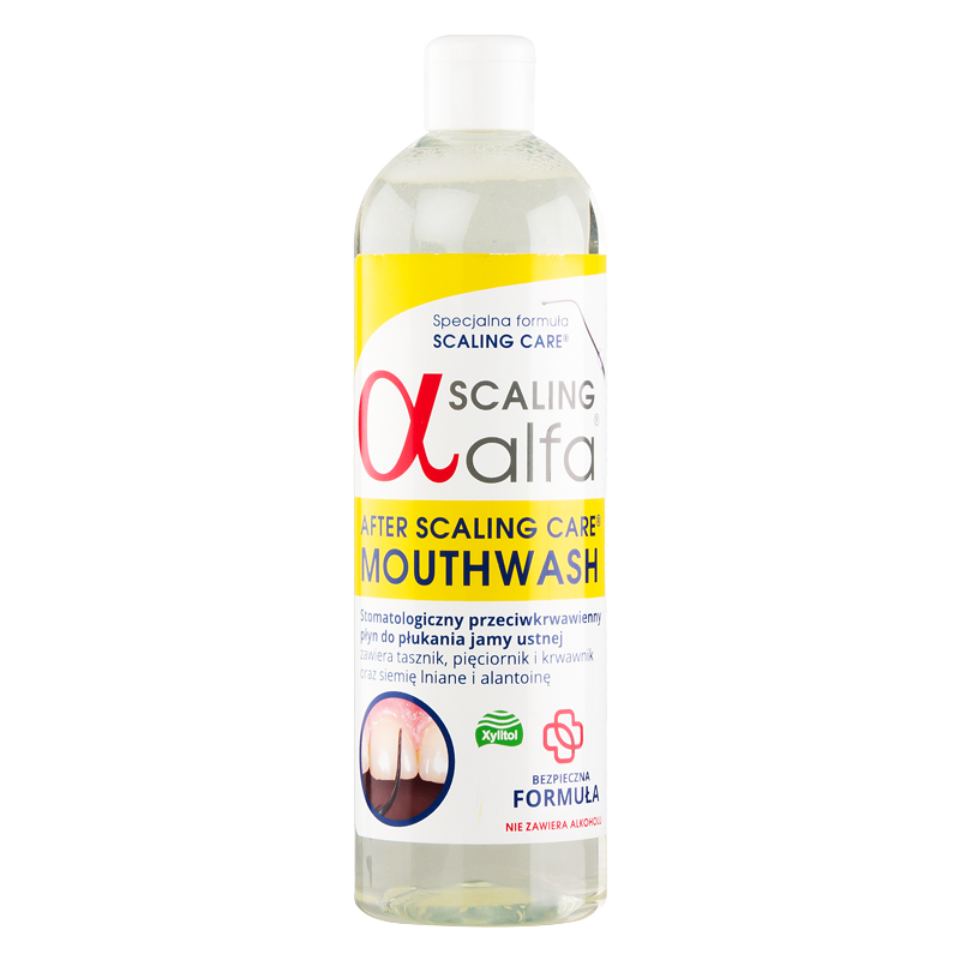
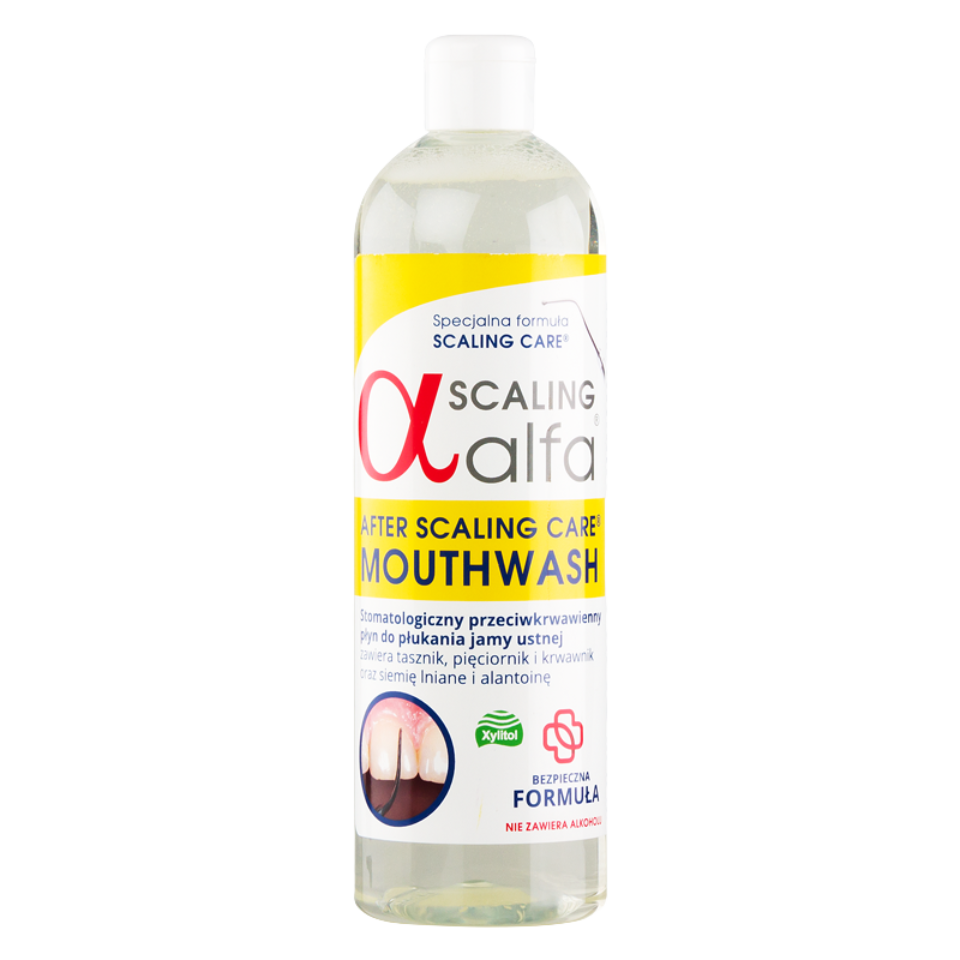
Using alcohol-free mouthwash, but based on fluoride, can help maintain a healthy mouth and prevent tooth decay.
Regular dental check-ups are essential
It is worth going to the dentist’s office once every six months for a professional dental hygiene treatment. The hygienist will remove plaque and tartar, and at the same time check the condition of your teeth. This will help you to prevent further endodontic or conservative treatment.
For more information on daily oral hygiene, see here.
Surgical treatment
Removing a tooth is sometimes a necessary solution. Today, when various anesthesia methods are available in dental offices, the procedure can be comfortable. However, it is worth knowing how to take care of the oral cavity after tooth extraction to accelerate wound healing and minimize the risk of complications.
1. Do not spit out the gauze placed after the procedure – the gauze acts as a dressing and stops bleeding. You can remove it only after 30 minutes or replace it with a new one. Remember to firmly bite the tampon to provide stability.
2. Avoid eating and drinking – do not eat or drink for the first 2 hours after the procedure to prevent the possible removal of the clot and avoid irritation.
3. Avoid overexerting yourself and exertion – rest and avoid strenuous exercise to help your body recover.
4. Give up smoking and alcohol – avoid smoking and drinking alcohol, which can delay the healing process.
5. Avoid mouthwashes in the first day after the procedure – avoid mouthwashes in the first day after the procedure to avoid disrupting the clot and causing instability.
6. Avoid solid and hot meals – choose cold and liquid meals and drinks to avoid irritating the wounds after the procedure.
7. Avoid aspirin – do not use aspirin as a pain reliever after the procedure, as it can act as an anticoagulant.
8. Sleep with your head elevated – lie down at night with your head raised to reduce swelling and minimize discomfort.
9. Avoid sunbathing – avoid exposure to the sun to avoid irritation and possible complications.
1. Be careful of the clot – take care not to remove the clot that protects the wound after the procedure. Avoid too intense mouthwash.
2. Cold compress – you can apply a cold compress to the cheek on the side of the extracted tooth to reduce swelling and relieve pain.
3. Painkiller – if you are in pain, you can take painkillers, such as paracetamol or ibuprofen, as directed by your doctor.
4. Liquid and cold diet – eat cold drinks and meals, as well as ice cream. Avoid hard and hot foods that can strain the wound.
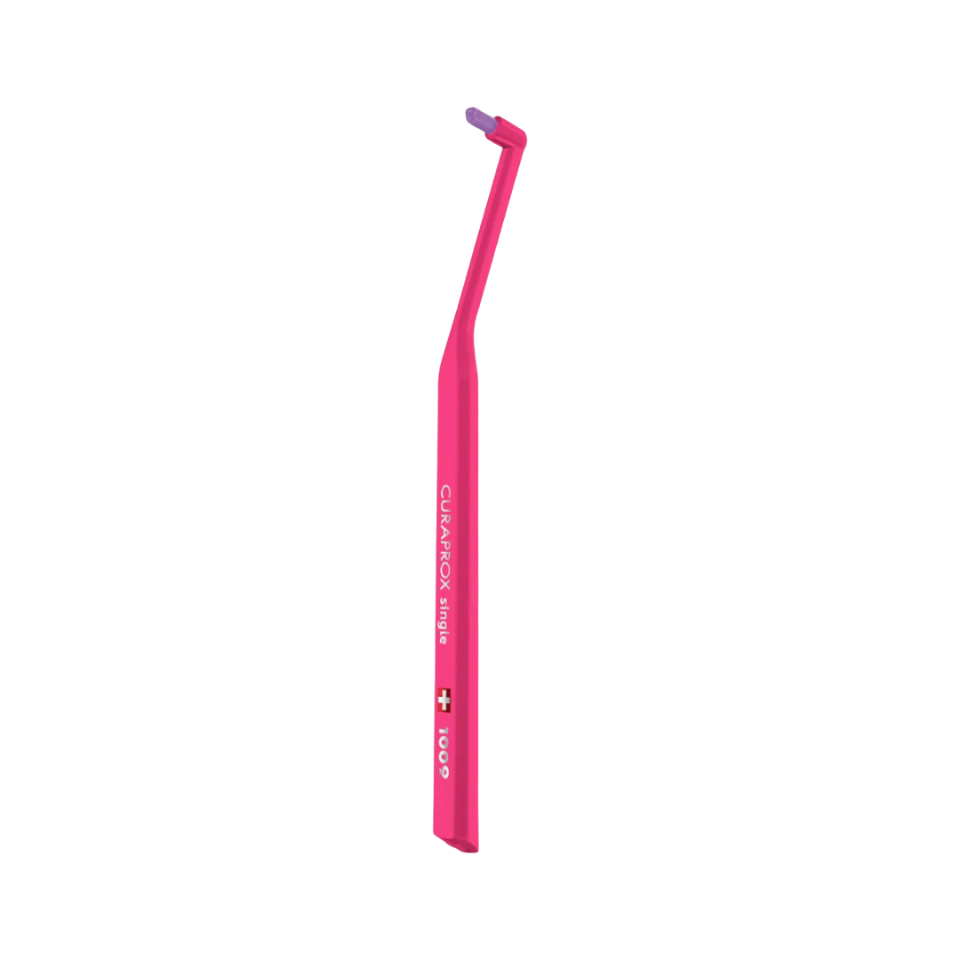
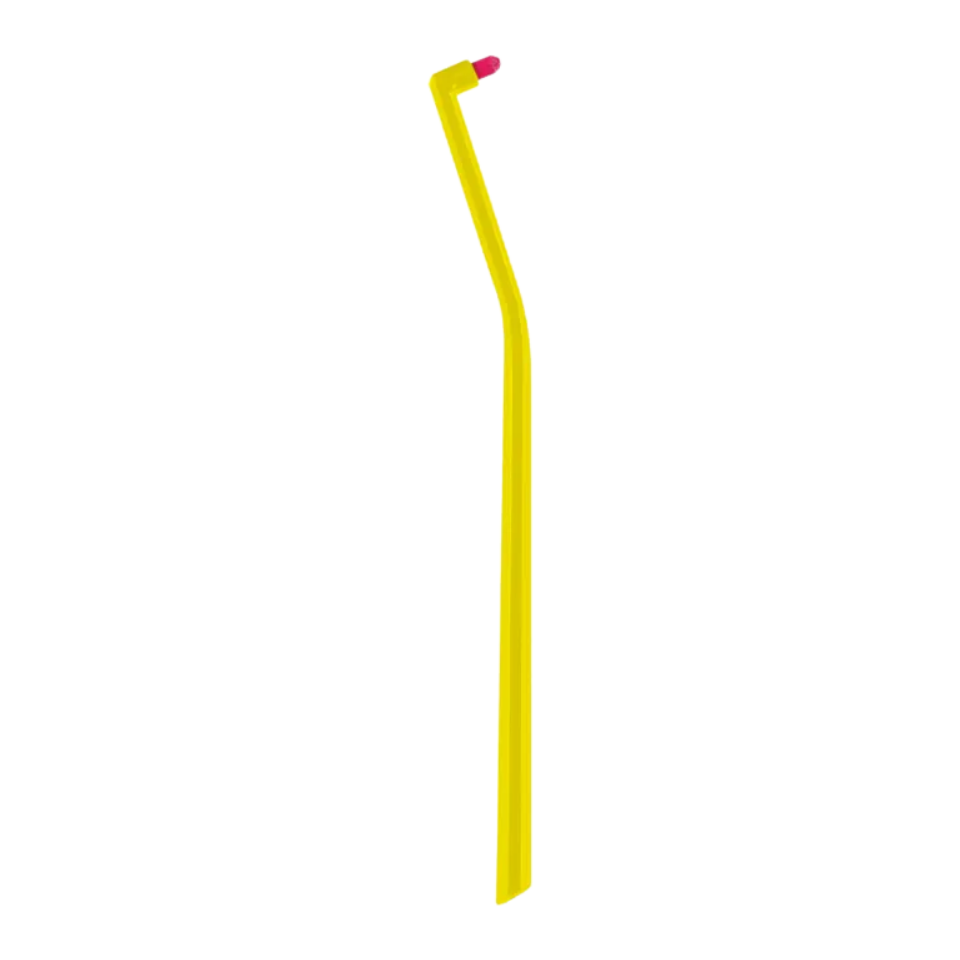
1. Take care of your oral hygiene. Brush your teeth carefully, avoiding touching the wounds at the same time. Use soft post-procedure toothbrushes.
2. Rinse your mouth gently. Use mouthwash to gently rinse your mouth to avoid irritation.
3. Clean your tongue. Remember to regularly clean your tongue using special toothbrushes or scrapers.
4. Interdental hygiene. Use dental floss or interdental brushes to thoroughly clean the interdental spaces.
5. Chlorhexidine products. Use toothpaste and mouthwash containing chlorhexidine, which has anti-inflammatory and plaque-inhibiting effects.
6. Post-procedure kit. You can use a special post-procedure kit to help you with the proper care after tooth extraction.
Prosthetic treatment
Removable dentures
Removable dentures are all prostheses that are not permanently attached to the bone or other teeth. Caring for removable dentures is key to maintaining oral health, preventing infection, and maintaining the comfort of wearing dentures. Following the above tips will help you keep your dentures in good condition and give you a healthy and beautiful smile!
After each meal, remove the denture and thoroughly wash it under running water.
1. Use a soft toothbrush to clean the denture, which will not damage the surface of the denture.
2. Pay particular attention to the interdental and retentive areas, where food debris and bacteria can accumulate.
3. Periodically, it is worth soaking the denture in warm water with cleaning tablets or chlorhexidine solution, which helps to remove bacteria and fungi.
4. It is recommended to remove the denture at night so that the oral mucosa can rest.
5. Dentures should not be left in water overnight, but they should always be thoroughly cleaned and dried. The best way to clean is to use a special toothbrush for dentures.
6. Choose toothbrushes and mouthwashes specifically designed for removable dentures, which will help to maintain cleanliness and freshness.
7. Do not forget to brush the gums and palate, which is covered by the denture, using a soft toothbrush.
8. Plan regular visits to the dentist, who will assess the condition of the dentures and help to solve any problems.
Fixed dentures
Fixed dentures are a type of prosthesis that is placed on the patient by the dentist, and there is no possibility of removing them independently. Caring for oral health with fixed prosthetics is key to preventing complications, maintaining oral health, and long-term durability of prostheses.
1. For hygiene with fixed prosthetics, soft or medium-soft toothbrushes are recommended, which are more gentle for prostheses and oral tissues.
2. Use dental floss or interdental brushes to thoroughly clean the interdental spaces, including those located under the prosthetics.
3. If the interdental spaces are wide or easily accessible, you can use interdental brushes to clean them.
4. Avoid excessive chewing of hard foods or using your teeth to open packages, as this may damage the prosthetics.
5. In addition, you can use mouthwashes, which will help to maintain hygiene and freshen breath.
6. Regularly visit your dentist, who will assess the condition of the prosthetics and perform the necessary maintenance procedures.
Implantology treatment
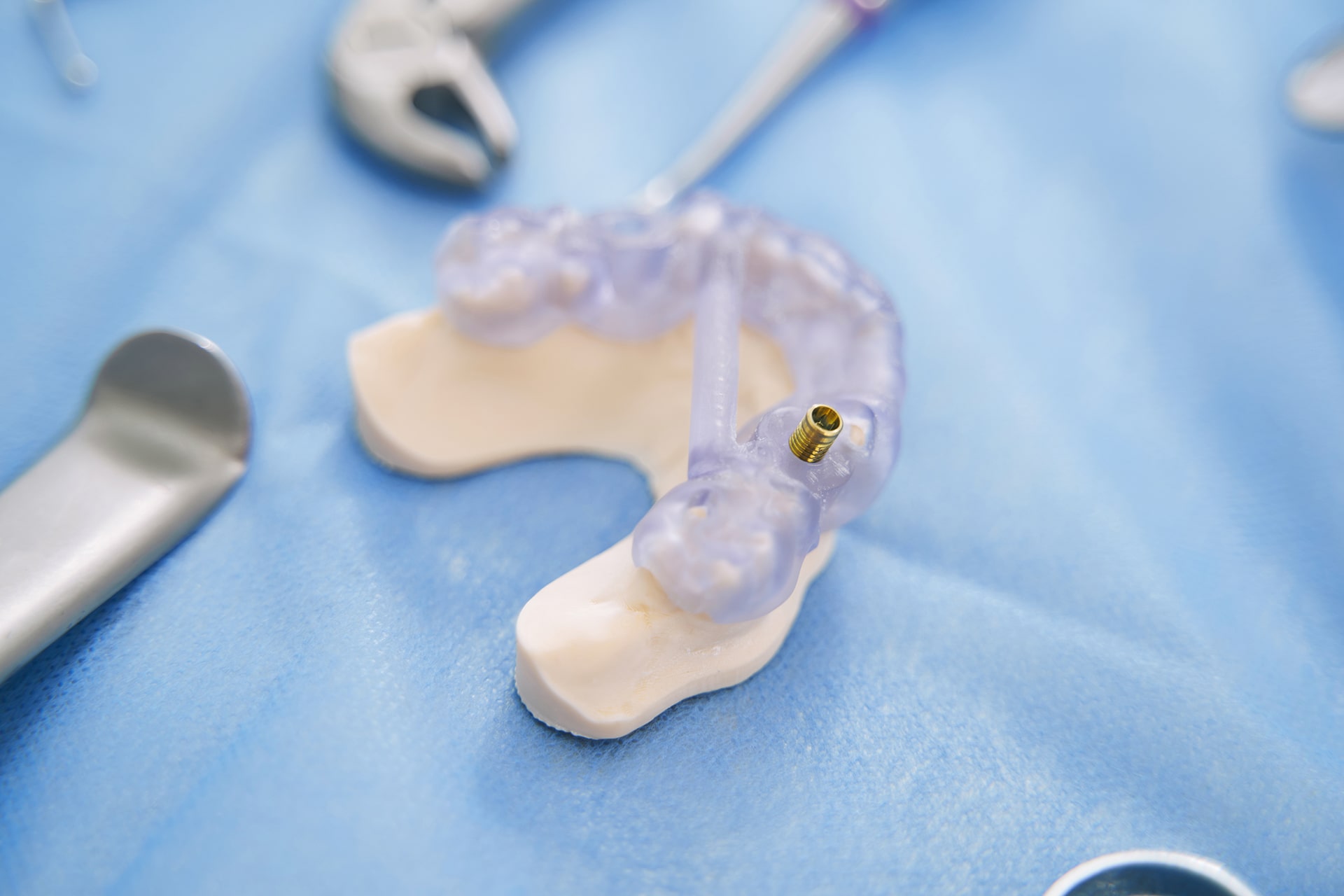
Implantation is a surgical procedure that involves the insertion of an implant screw, which is an alternative to a natural tooth root. It is important to take special care of the cleanliness of the area where the implant was placed:
- Brush your teeth gently, and carefully clean the area of the procedure and the teeth adjacent to it.
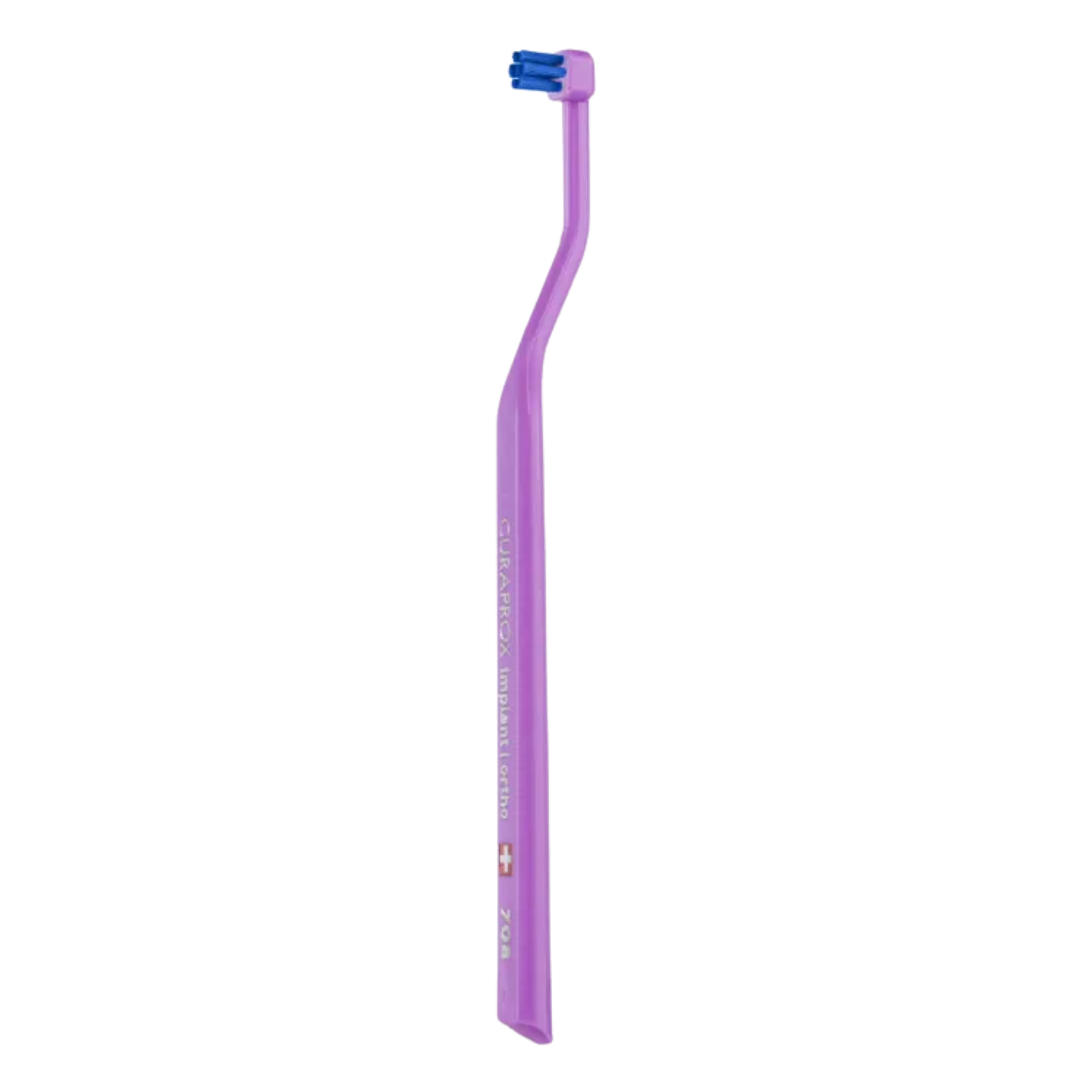
- • For the first 7 days after the procedure, use a soft-bristled manual toothbrush (preferably a special post-operative toothbrush). Avoid vigorous movements and pressing the toothbrush too hard against the wound, as this can cause pain and damage to the stitches.
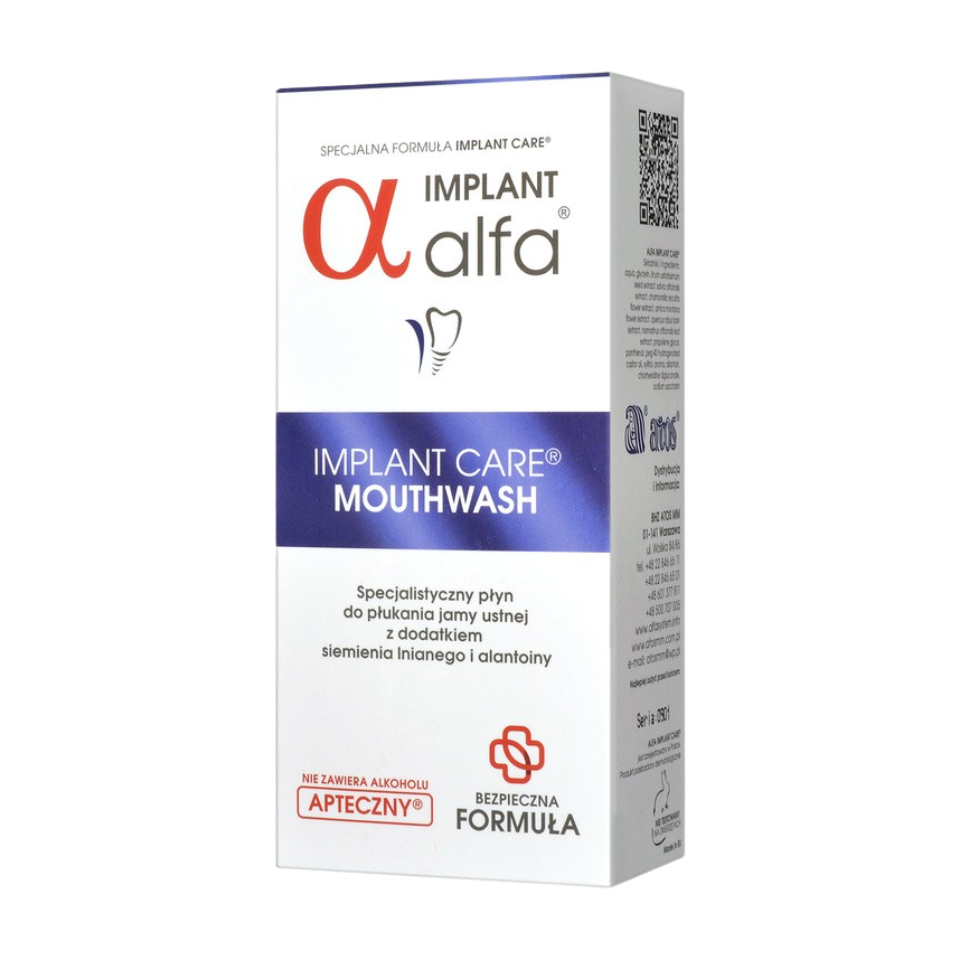
- Rinse your mouth twice a day with a mouthwash containing chlorhexidine. Chlorhexidine has a disinfectant effect, prevents the growth of bacteria and inflammation.
- After rinsing your mouth with an antiseptic mouthwash, and even during the day, apply a gel containing chlorhexidine (e.g. Elugel) to the wound. The gel, like the liquid, will disinfect the wound and prevent infection.
- Do not drink alcohol or smoke cigarettes.
- Avoid eating hard, sharp, and hot foods and drinks.
- Rest, do not exercise, and avoid visiting tanning salons, saunas, and swimming pools.
- In case of possible swelling, apply cold compresses.
- Do not touch the wound with your tongue or finger.
- In case of severe pain, heavy bleeding from the wound, or other disturbing symptoms, contact your dentist.
Periodontal treatment
After periodontal treatment (i.e. treatment of gum disease), proper oral hygiene is extremely important to maintain gum health and prevent recurrence of the disease. Here are some tips for oral hygiene after such treatment:
- Brush your teeth thoroughly at least 2 times a day, preferably after meals. Use a soft toothbrush with gentle movements to avoid irritating your gums.
- Choose a toothpaste containing fluoride, which will help strengthen your enamel and prevent tooth decay.
- Brush your gums gently as well, making light sweeping motions from gums to teeth.
- Use dental floss or interdental brushes to clean between your teeth, where your toothbrush cannot reach. This will help remove food debris and bacteria that can lead to gum inflammation.
- Use a mouthwash containing chlorhexidine, which will help reduce bacteria and prevent inflammation.
- Continue to have regular check-ups with your dentist to monitor the condition of your gums and assess the effectiveness of treatment.
- Smoking and excessive alcohol consumption can negatively affect gum health, so it is worth avoiding these harmful habits.
- Take care of a balanced diet rich in vitamins and minerals that support gum health and oral tissue.
For more information on daily oral hygiene, which is particularly important after periodontal treatment, see here.
Dental hygiene treatment
After dental hygiene, i.e. professional cleaning of your teeth by a dentist or dental hygienist, it is important to maintain proper hygiene at home to maintain a healthy smile. Here are some tips for oral hygiene after dental hygiene:
- Replace your toothbrush. Old toothbrushes contain old bacteria that can easily return to your mouth and quickly ruin the effect of the dental hygiene treatment.
- Use a toothpaste that prevents plaque formation. This will ensure long-lasting effects achieved after the treatment.
- Brush your teeth gently but thoroughly at least 2 times a day, preferably after meals. Use a soft toothbrush to avoid irritating your gums.
- Use dental floss or interdental brushes to clean between your teeth, where your toothbrush cannot reach. This will help remove food debris and bacteria, preventing tooth decay and gum inflammation.
- Use a mouthwash to effectively remove bacteria and plaque from hard-to-reach areas in your mouth.